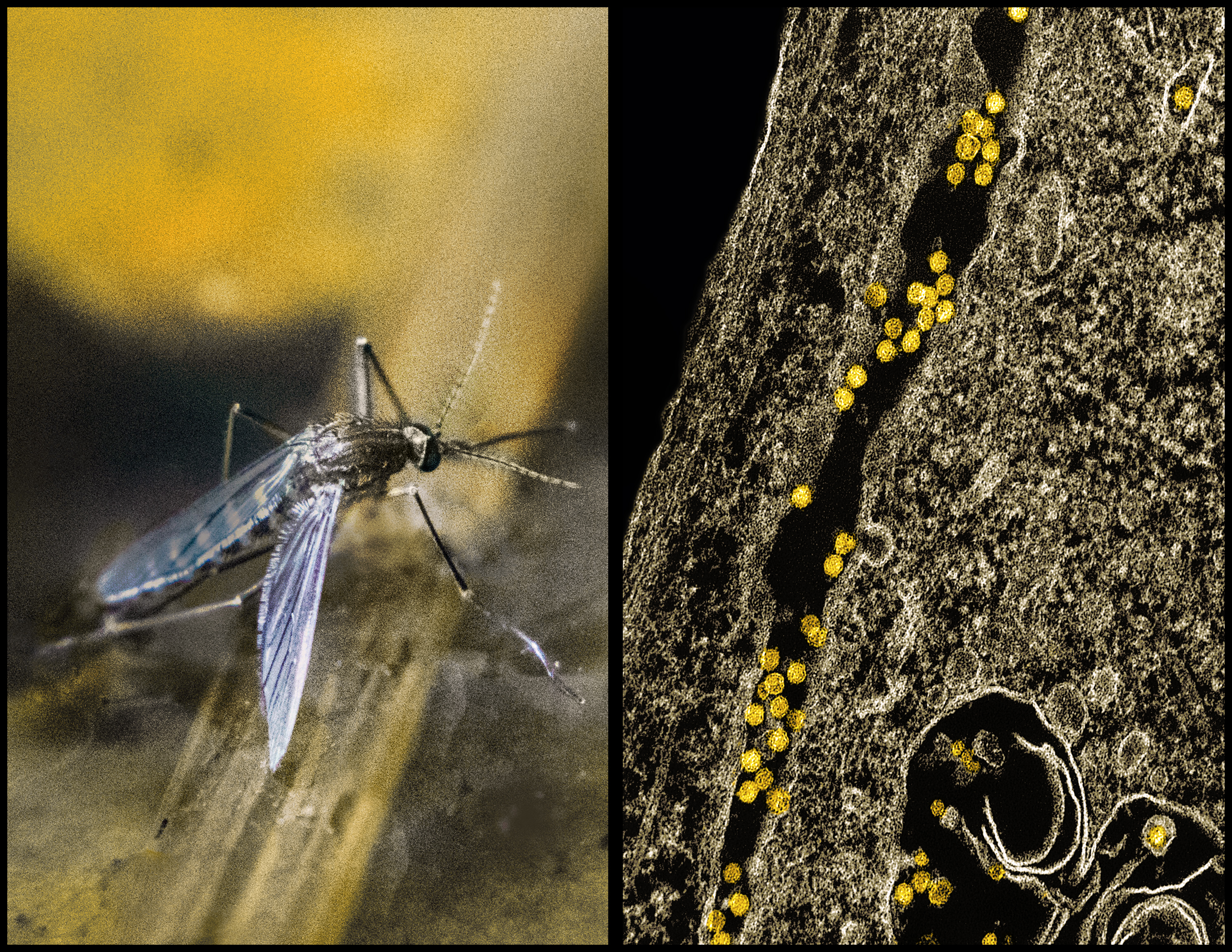
Canton is now at moderate risk for West Nile virus after state health officials confirmed the season's first human case in Massachusetts, a man in his 90s who was exposed in Middlesex County.
The Massachusetts Department of Public Health announced the case on Thursday, Aug. 20, and elevated WNV risk levels to moderate in 70 communities statewide, including Canton and 18 other Norfolk County towns. A moderate classification means infection with the virus "is likely or has already occurred" in the area, according to DPH.
According to DPH, about 80 percent of human WNV cases in Massachusetts have occurred in August or September, putting the weeks ahead at the height of transmission risk.
"The mosquitoes will be with us until the first hard frost," state epidemiologist Dr. Catherine M. Brown said in the Aug. 20 announcement. She urged residents to use EPA-registered repellent, wear clothing that reduces exposed skin and consider rescheduling outdoor activities during evening or early morning hours when mosquitoes are most active.
Between 2001 and 2025, 273 Massachusetts residents were reported with WNV infection and 20 died, according to the Boston Globe. Most people infected show no symptoms. Those who do may experience fever, headache, body aches, nausea or rash, typically two to six days after a bite. Severe illness, including encephalitis or meningitis, is rare.
EEE also detected
One day before the WNV case announcement, DPH reported the season's first Eastern equine encephalitis-positive mosquito sample, collected Aug. 17 in Kingston, Plymouth County. EEE risk was elevated to moderate in Carver, Halifax, Kingston and Plympton. Canton's EEE risk remains low.
EEE is rarer but far deadlier. Massachusetts recorded 12 human cases and six deaths in 2019, five cases and one death in 2020, and four cases with one death in 2024, according to WBUR. There were no human EEE cases in 2021, 2022, 2023 or 2025.
Dr. Brown said in the Aug. 19 EEE announcement that the late-season detection means there is less opportunity for risk to escalate to very high levels, but added that "anytime EEE virus is in mosquitoes, it can be spread to people."
How to protect yourself
DPH recommends Canton residents take these steps, as detailed in the Westwood Minute's reporting:
- Use EPA-registered repellents containing DEET (30% or less for children; not for infants under two months), picaridin, oil of lemon eucalyptus (not for children under three), or IR3535.
- Avoid outdoor activity from dusk to dawn, when mosquitoes are most active.
- Drain standing water from flowerpots, wading pools, gutters and birdbaths. Flush troughs at least once a week.
- Protect animals: Horse owners should stable horses indoors at night. Consult a veterinarian about repellents and vaccinations for pets.
Report suspected animal WNV or EEE cases to the Department of Agricultural Resources at 617-626-1795 and to DPH at 617-983-6800.
DPH updates risk levels daily at mass.gov/mosquito-borne-diseases.