If you've ever been hospitalized, there's a good chance you've had an IV bag connected to your bloodstream — and until now, there was roughly a 70% chance that bag contained a chemical linked to cancer. A bill banning that chemical from medical devices just cleared the Massachusetts Senate and is headed to Gov. Maura Healey's desk, with Milton's own state senator playing a central role.
Why this chemical is such a concern.
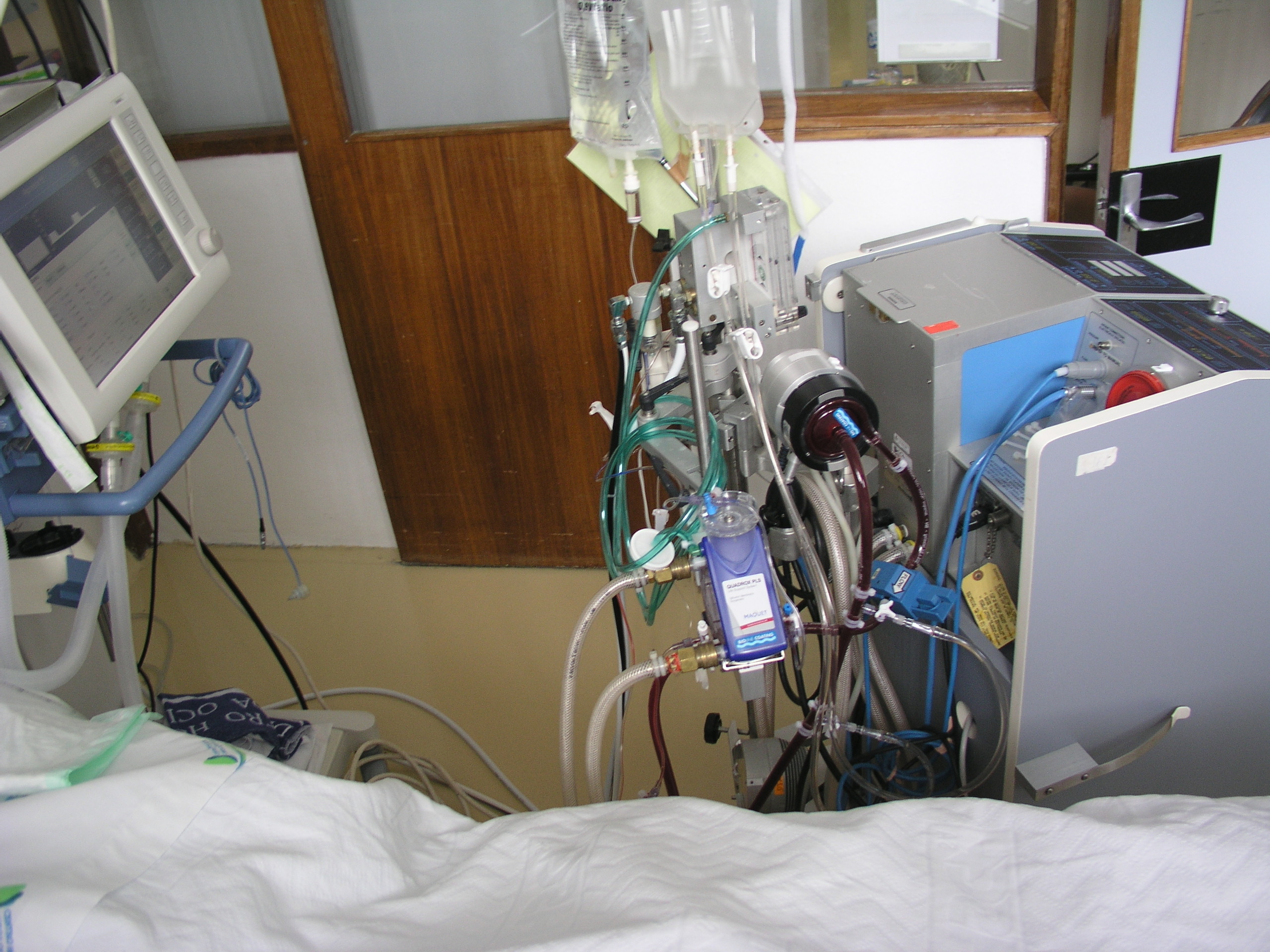
DEHP, a plasticizer added to IV bags and tubing to keep them flexible, has been linked to breast, liver, lung and testicular cancers. Because the molecule is unstable, it doesn't just sit in the plastic — it leaches directly into the medications and fluids being infused into a patient's bloodstream. As of 2024, industry data estimated roughly 70% of IV bags and tubes in the U.S. contained the chemical, and about 90% of hospitalized patients receive IV therapy at some point during their stay. In other words, this isn't a rare exposure risk — it's close to universal. The same chemical has been banned from children's toys since 2008, but medical devices had never faced the same restriction, until this bill.
Milton's senator made it personal.
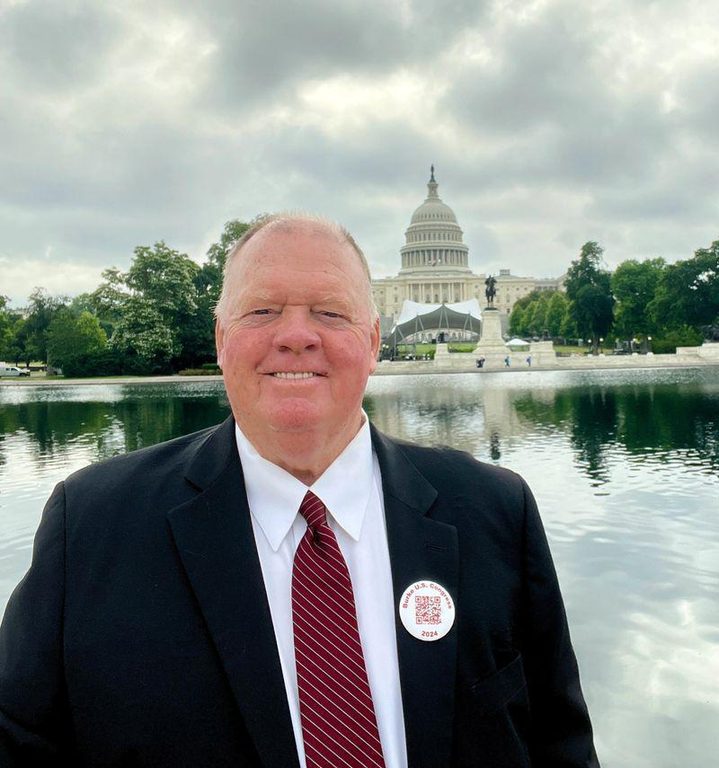
Sen. Bill Driscoll Jr., who chairs the Senate's Joint Committee on Public Health, spoke on the floor in favor of the Toxic-Free Medical Devices Act. "When implemented, this will improve the health of patients by decreasing exposure to toxins and known carcinogens," Driscoll said. The East Milton Square resident said the issue hits close to home, noting he has family members "receiving the types of care that this legislation applies to."
What the bill actually does.
Beyond banning DEHP outright, the law closes a potential loophole by preventing manufacturers from simply swapping it for similar ortho-phthalate chemicals, while preserving limited exemptions for specialized blood collection and cell therapy products. Senate sponsor Joan Lovely said the measure puts Massachusetts at the front of the pack nationally on medical device safety.
What happens next.
The Senate passed the bill on a voice vote with no recorded roll call. Under state law, Healey now has 10 days to sign or veto it while the Legislature is in session, though no signing date has been announced yet.