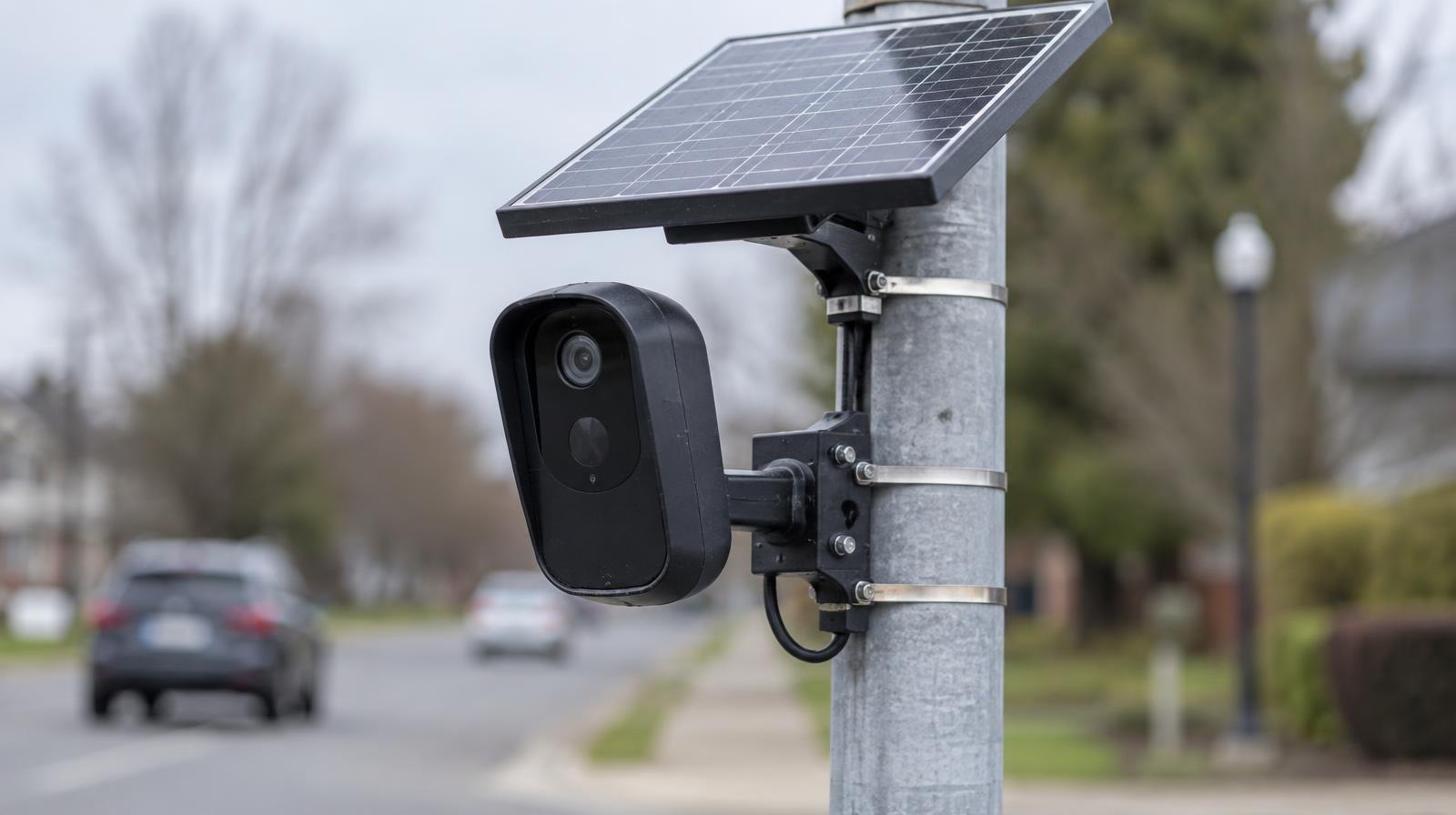
Milton's 13 Flock license plate reader cameras are offline after the Select Board voted unanimously Tuesday, Sept. 22, to impose a 90-day freeze on the surveillance technology.
The board directed the town's law firm, KP Law, to draft permanent regulations governing automated license plate readers (ALPRs) before the cameras can be reactivated. The freeze took effect immediately.
The vote followed a public session that drew a large turnout, with residents voicing concerns about privacy, data misuse and the cameras' $39,500 price tag. The town purchased the Flock cameras in December 2024 using the Milton Police Department's operating budget, the Milton Times reported. The contract runs through March 2028.
Several speakers referenced a Braintree case in which former detective Mark Sherrick faces a criminal harassment charge for allegedly using Flock cameras to track his ex-girlfriend's license plate more than 1,000 times, according to Boston.com. Residents also raised concerns about the cameras being used against immigrants, women and political opponents.
Milton High School student Cecilia Campbell-Stewart challenged the spending directly. "My marching band has to personally fundraise every year just to keep running because we don't get funding," Campbell-Stewart said at the meeting. "There are so many things this money could be used for."
Jack Kelly, a Milton resident and network engineer who has overseen similar technology deployments, acknowledged ALPRs' value for crime-solving but said safeguards were needed to protect data on residents' daily movements.
Police Chief John King defended the cameras as valuable crime-solving tools. The town has already reduced the data retention period from 30 days to seven and stopped sharing Flock data openly with surrounding communities, according to meeting records. Milton now shares data only upon request.
King opposes a broader public approval process for new law enforcement technology, saying it would hinder the department's ability to adopt tools and solve crimes.
Select Board member John Driscoll initially proposed a 60-day freeze. Members Meghan Haggerty and Megan Nolan pushed for an outright ban, arguing the town could reprocure a contract later if needed. The board settled on 90 days.
Chair Winston Daley acknowledged fearing a public-safety gap but said he would vote to freeze the cameras so the board could determine the right path forward. Daley said at the meeting that his concern was balancing police needs against the community's demand for oversight.
The board plans to take up the issue again at its next meeting, Oct. 6. The regulations under review would cover every ALPR brand the town might use, and potentially other new police technologies.