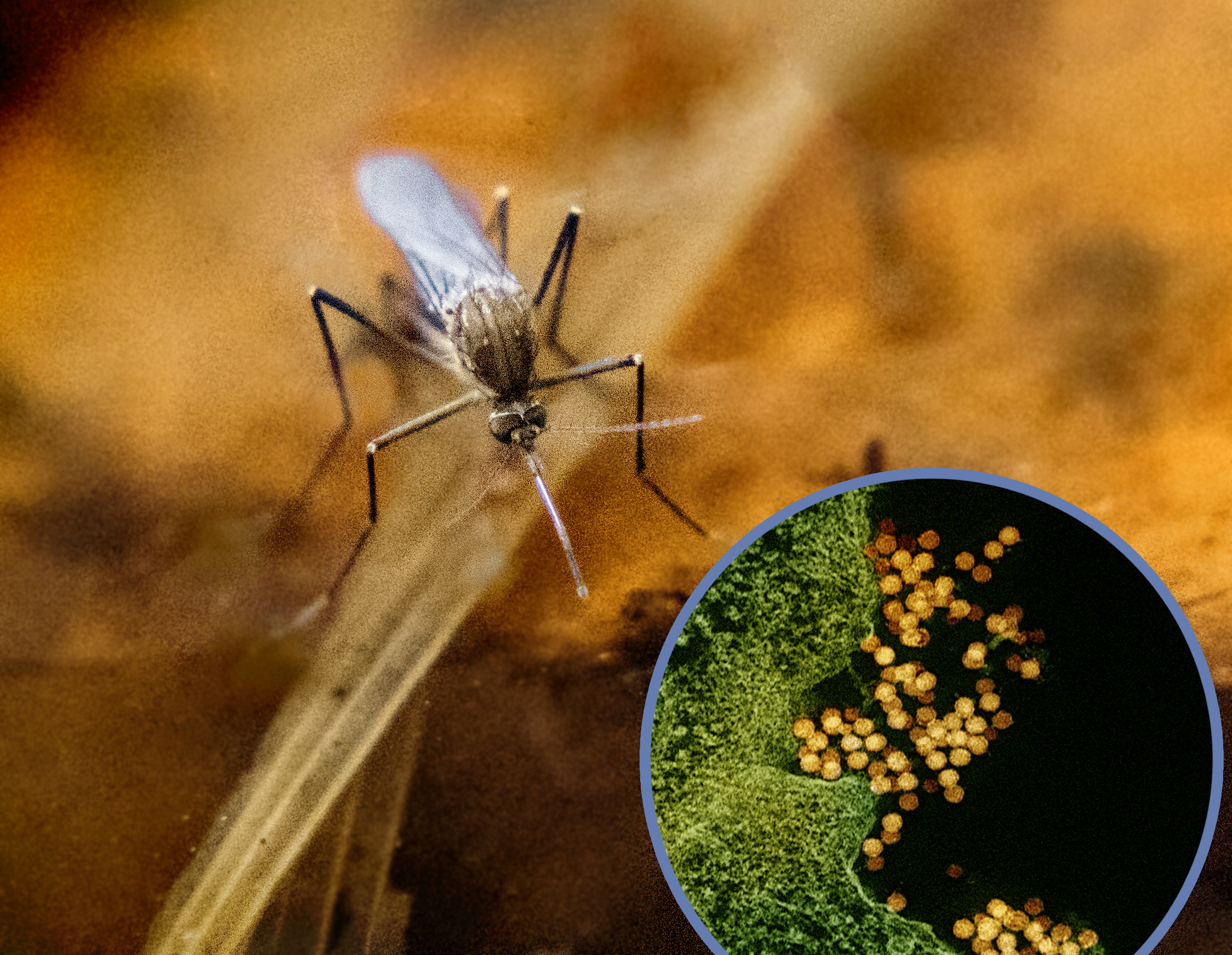
The Massachusetts Department of Public Health has flagged Milton for elevated West Nile virus risk as the state enters its peak mosquito transmission season.
The DPH placed Milton among roughly 250 cities and towns at moderate risk for West Nile virus (WNV) as of early September, according to Milton Scene. Norfolk County, where Milton sits, is one of 12 counties with communities at moderate or high risk levels.
The advisory comes as statewide case counts have risen sharply. On Friday, Sept. 4, the DPH announced the state's sixth confirmed human case of the season, a man in his 70s in Suffolk County, the Boston Globe reported. All six confirmed cases this season involved men in Suffolk and Middlesex counties.
The state had detected 273 WNV-positive mosquito samples across every county except Nantucket as of Sept. 4, according to the Globe. The first positive samples this season were confirmed in June.
"As we go into the holiday weekend, it is easy to think of backyards, barbeques, and fun. I also want people to think about mosquitoes …" Public Health Commissioner Robbie Goldstein said in a Sept. 4 statement. He warned that late summer is when residents face the greatest exposure to WNV and Eastern Equine Encephalitis.
As of Sept. 4, eleven municipalities were rated high risk, including Boston, Brookline, Cambridge, Everett, Newton, Somerville and Watertown. The DPH raised Chelsea, Malden, Revere and Winthrop to high after the sixth case.
Milton has been here before. In 2024, the state's risk map placed Milton, Brookline and Quincy in the high-risk category, according to Milton Scene.
WNV is the leading cause of mosquito-borne disease in Massachusetts. About 80 percent of people infected show no symptoms. Most who do get sick experience mild, flu-like illness.
Less than 1 percent of infections lead to severe neurological illness such as encephalitis or meningitis. People over 50 and those with weakened immune systems face higher odds of severe illness. There is no vaccine and no specific treatment.
The DPH recommends Milton residents take these steps:
- Use EPA-registered insect repellent containing DEET, picaridin, IR3535 or oil of lemon eucalyptus
- Wear long sleeves and pants, especially from dusk to dawn
- Repair window and door screens
- Eliminate standing water weekly, including clogged gutters, plant saucers, birdbaths and old tires
The Norfolk County Mosquito Control District is authorized to conduct aerial larvicide applications over wetlands in Milton and Canton through Oct. 31, according to a district memo.
Milton's town website posts the weekly DPH surveillance report. The state also maintains an interactive arbovirus update page at mass.gov that breaks down risk by county and municipality.
Risk will continue until the season's first hard frost, according to the DPH.