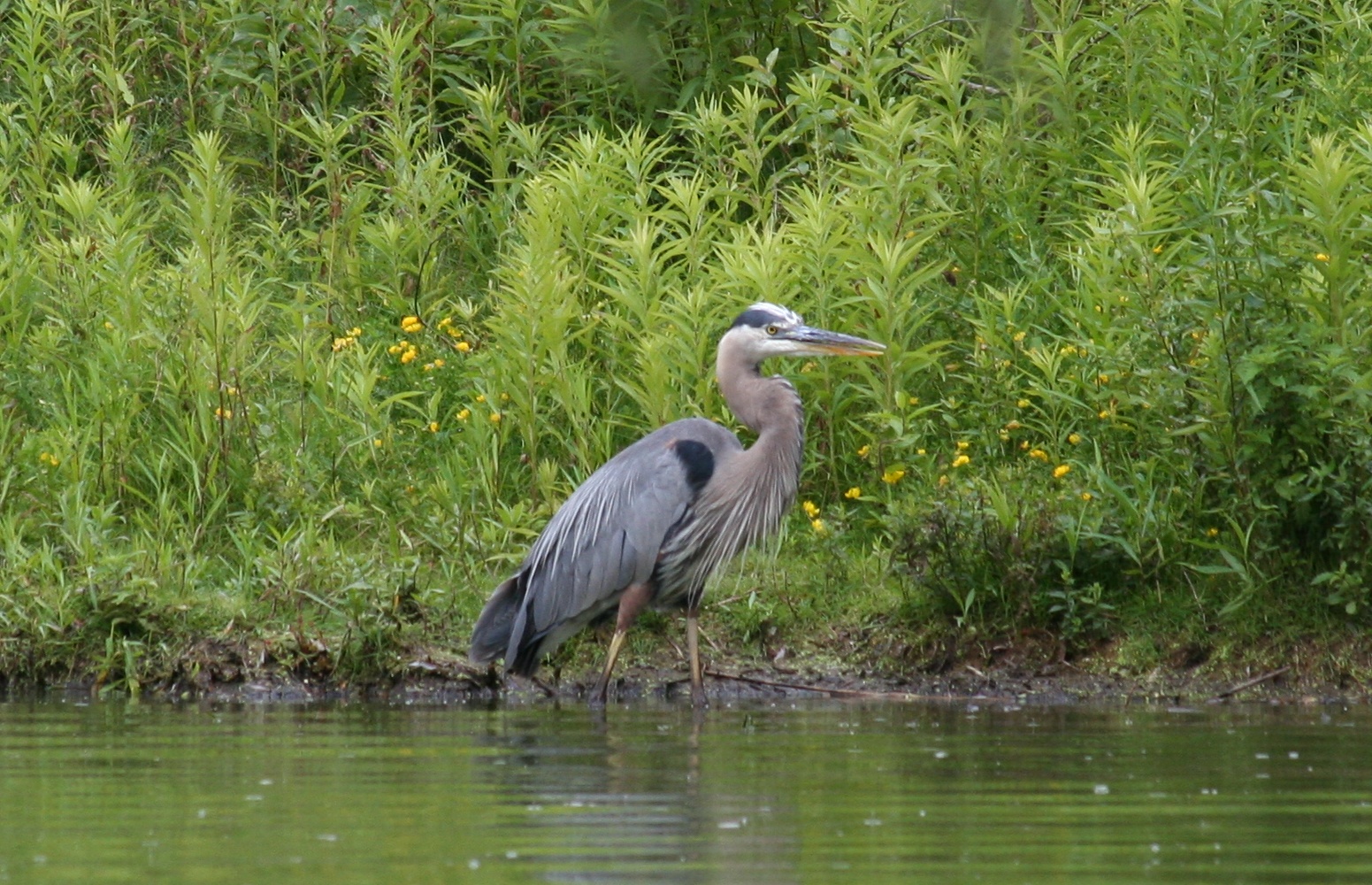
A great blue heron is back in the wild after Milton Animal Control Officer Benjamin St. George found the bird trapped and tangled in discarded fishing line, unable to free itself from a log.
St. George discovered the heron with a fishing hook and line wrapped around its foot, neck, and wing, according to a report published Saturday, July 25, by the Patriot Ledger. The bird was anchored to the log and couldn't move. St. George brought the heron to the New England Wildlife Center in South Weymouth for emergency care.
Treatment and recovery
Veterinary staff at the wildlife center sedated the bird for X-rays and a full examination. The fishing hook had not become embedded, but the line had wrapped tightly around the heron's wing and toes, causing bruising and swelling. The team removed the line and administered fluids and anti-inflammatory medication.
Staff did not know how long the heron had been trapped, leaving open the question of whether the bird had suffered permanent nerve or vascular damage.
The answer came the next morning. When staff arrived, the heron had escaped its cage and was standing on a table, holding its wings symmetrically. The center moved the bird to an outdoor enclosure, where it flew to the rafters.
A veterinary technician who released the heron said the bird "took his time getting his bearings before lifting off, eventually settling on a nearby island to preen," according to the wildlife center's Facebook post.
Dangers of discarded fishing gear
The New England Wildlife Center, which frequently treats animals found in and around Milton, said the rescue illustrates the danger discarded fishing gear poses to birds along local waterways.
Great blue herons stand nearly four feet tall and are a common sight along the Neponset River and ponds near the Blue Hills Reservation. The species depends on shallow water for hunting fish, making herons especially vulnerable to abandoned hooks and monofilament line left behind by anglers.
The wildlife center accepts donations to support its rehabilitation work at newildlife.org/donate. The center said a donor is currently matching gifts dollar for dollar, up to $10,000, to help cover the cost of feeding its animal patients.