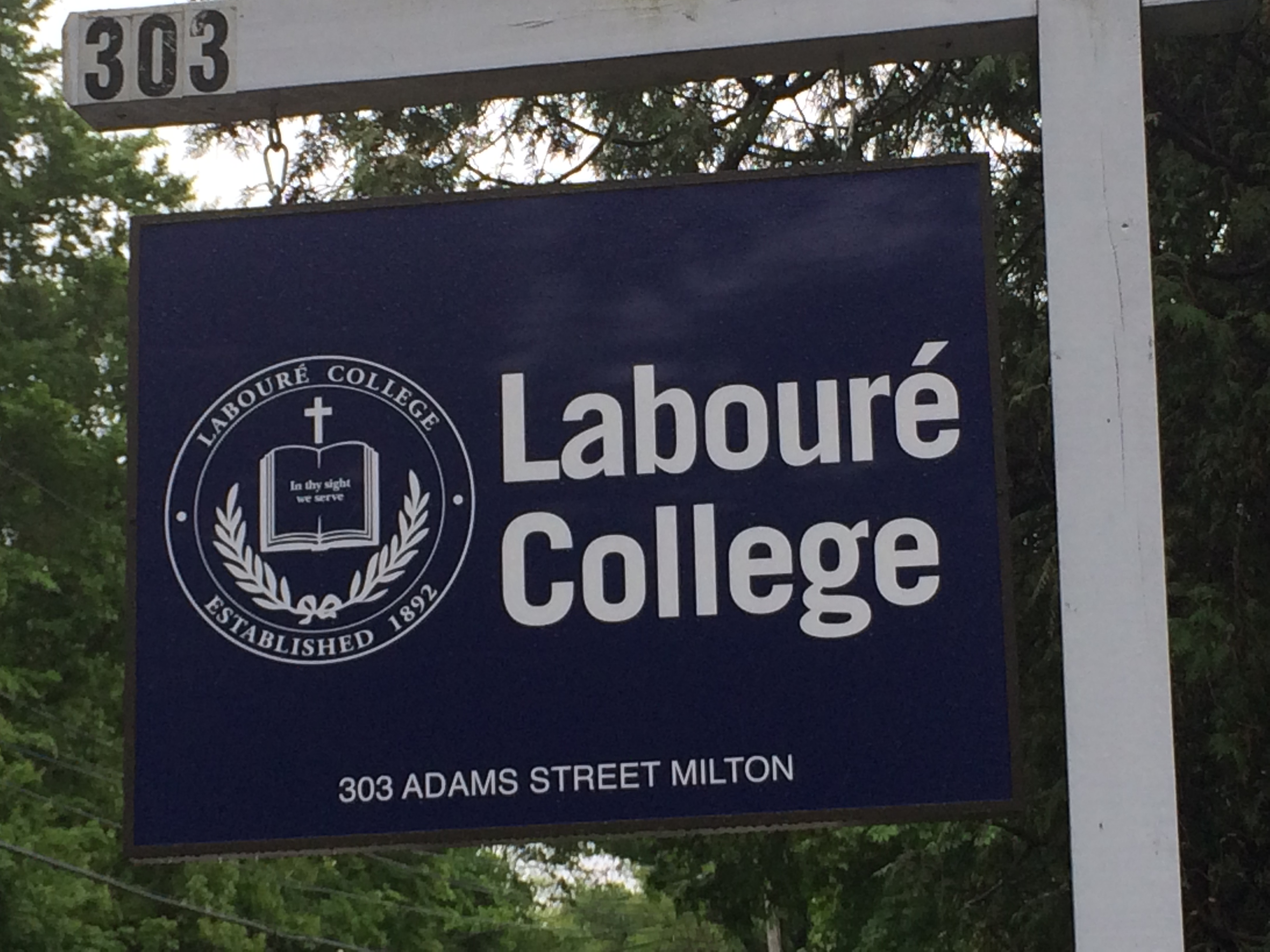
Labouré College of Healthcare, a 134-year-old nursing school in Milton, is shutting down for good by the end of August, eliminating 65 jobs in the process. But for the students it leaves behind, this isn't quite the ending it sounds like.
Curry College, less than two miles away on Brush Hill Road, is absorbing Labouré's nursing programs and major assets under an agreement announced in February. Students who can't finish their degree before the Milton campus closes will simply continue at Curry starting this fall — same curriculum, and where possible, the same instructors. RN-to-BSN students will have their credits transfer directly into Curry's equivalent program, with tuition locked at Labouré's current rates.
Curry has said it will offer jobs to some Labouré faculty and staff under its collective bargaining agreement, though it hasn't said how many of the 65 eliminated positions will actually be filled that way.
The warning signs had been building for years. Enrollment collapsed from a peak of 1,188 students in fall 2020 to just 530 by fall 2024, and the school's $9.4 million endowment wasn't enough to cover its operating deficits. Making matters worse, the state placed Labouré's nursing program on probation in 2023 after licensing exam pass rates dropped below 80% — a black mark that was resolved by 2024, but not before it further damaged enrollment and reputation.
Labouré President Lily Hsu said in February that the agreement "provides the resources necessary to sustain this mission and prepare the next generation of nurses." Curry plans to launch the Labouré Center for Advancing Healthcare Opportunity on its own campus, supporting transferring students alongside local adults, English language learners, and current healthcare workers pursuing degrees. Curry President Jay Gonzalez said the combined nursing program would become one of the largest and most comprehensive in New England, spanning associate, bachelor's and master's degrees.
Labouré's student body has long stood out for its diversity — 44% Black or African American, 31% white, and 13% Hispanic or Latino as of fall 2024 — and the school has called itself the largest pipeline of associate-degree nurses into the Massachusetts workforce. Whether Curry can preserve that same level of access as it absorbs the program remains an open question, and one of the real tests of how well this transition goes.
Both schools' governing boards approved the agreement in February, though final sign-off from state and federal regulators is still pending. Labouré's academic operations are set to end by late August.